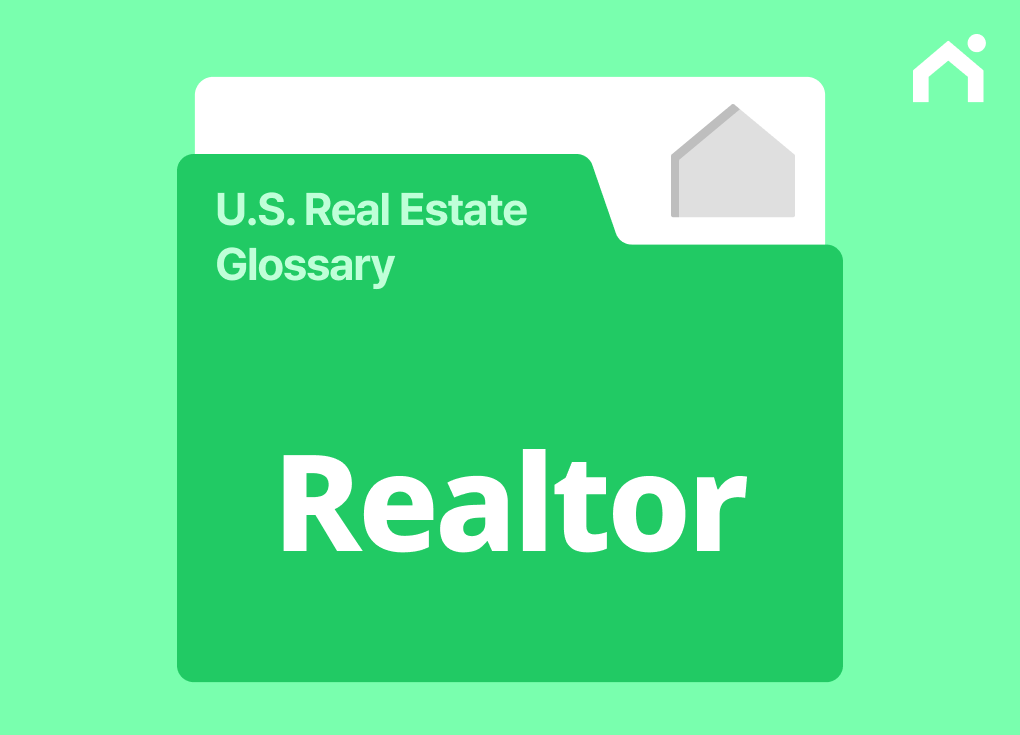
✅ What Is a Realtor?
A Realtor is a licensed real estate professional in the U.S. who is also a member of the National Association of Realtors (NAR) and is required to follow its strict Code of Ethics.
Unlike a general real estate agent, a Realtor commits to higher ethical and professional standards. Realtors are typically involved in every stage of the home-buying process—from property search and offer strategy to negotiation, contract management, and closing.
This distinction is at the core of the debate: realtor vs real estate agent.
Why Understanding the Difference Matters
Choosing the wrong type of agent can lead to costly mistakes. Real-world examples include:
- Deals falling through due to missed appraisal issues
- Losing bidding wars because of weak offer strategies
- Unexpected monthly costs (such as taxes or HOA fees) due to lack of due diligence
In some cases, buyers have ended up paying hundreds of dollars more per month simply because key information was not properly reviewed before closing.
Two Things to Check Before Signing With a Realtor
- Verify Credentials
You can search the agent’s legal name on Realtor.com or the official NAR website to confirm active membership.
- Confirm Local Market Experience
Ask about recent transactions in the area, ideally within the last 6 months.
📊 Realtor vs Real Estate Agent: What’s the Difference?
| Category | Realtor | Real Estate Agent |
|---|---|---|
| Affiliation | NAR | No required affiliation |
| Code of Ethics | Mandatory | Optional |
| Professional Training | Ongoing education required | Not mandatory |
| Reliability | Generally higher | Depends on the individual |
👉 What Does This Mean for Buyers?
The qualifications of your real estate professional can directly affect:
- Mortgage approval and loan terms
- Offer strength and negotiation outcomes
- How ownership, tax, and title issues are handled
This is why many buyers carefully compare realtor vs real estate agent before moving forward.
Important Notes Before You Sign
- Review exclusive buyer agreements carefully before committing.
- Clarify commission structure—whether it’s paid by the seller or buyer.
- If your Realtor works with a mortgage broker, confirm that the loan process is transparent. Some brokers may offer higher rates or slower approvals.
👉 Loaning.ai works with top U.S. lenders to offer competitive rates and can close loans in as little as 7 days—with no consultation fees.
Frequently Asked Questions (FAQ)
Q1. Aren’t all agents basically the same?
A. No. Realtors are held to higher ethical standards and provide more comprehensive guidance, including legal and financial considerations.
Q2. Do I really need a Realtor if there’s a commission involved?
A. In most cases, the seller pays the buyer’s agent commission. A good Realtor often saves you more money than they cost.
Q3. Can I buy a home cheaper without a Realtor?
A. It’s possible, but risks increase significantly—appraisal issues, closing delays, and legal disputes are more common.
✅ Realtor Explained at a Glance
A Realtor is a licensed real estate professional who is a member of NAR and follows a strict Code of Ethics. Compared to a general agent, Realtors typically offer higher reliability, stronger negotiation skills, and better coordination with mortgage professionals. Failing to understand the difference between realtor vs real estate agent can lead to loan denials or unexpected financial burdens.
Thinking About Buying a Home in the U.S.?
Loaning.ai provides up-to-date guidance on U.S. mortgages and home buying in 2025 and beyond.
Explore our full U.S. Home Buying Guide to get started.