

When exploring housing in the United States, you will encounter many different types of homes. For those who are new to the market, the various types of U.S. real estate—such as single-family homes, condominiums, and townhouses—can sometimes feel confusing.
The structure and ownership of a home can influence maintenance responsibilities, living environments, and long-term costs. In addition, some communities are managed by an organization called a Homeowners Association (HOA), which can affect certain rules and fees for homeowners.
In this guide, we will explore the main types of U.S. real estate, the characteristics of each housing type, and the role that HOAs play in residential communities.
Common Types of U.S. Real Estate
In the United States, residential properties can generally be categorized into several major housing types. Each type differs in structure, ownership, and management.
Apartment
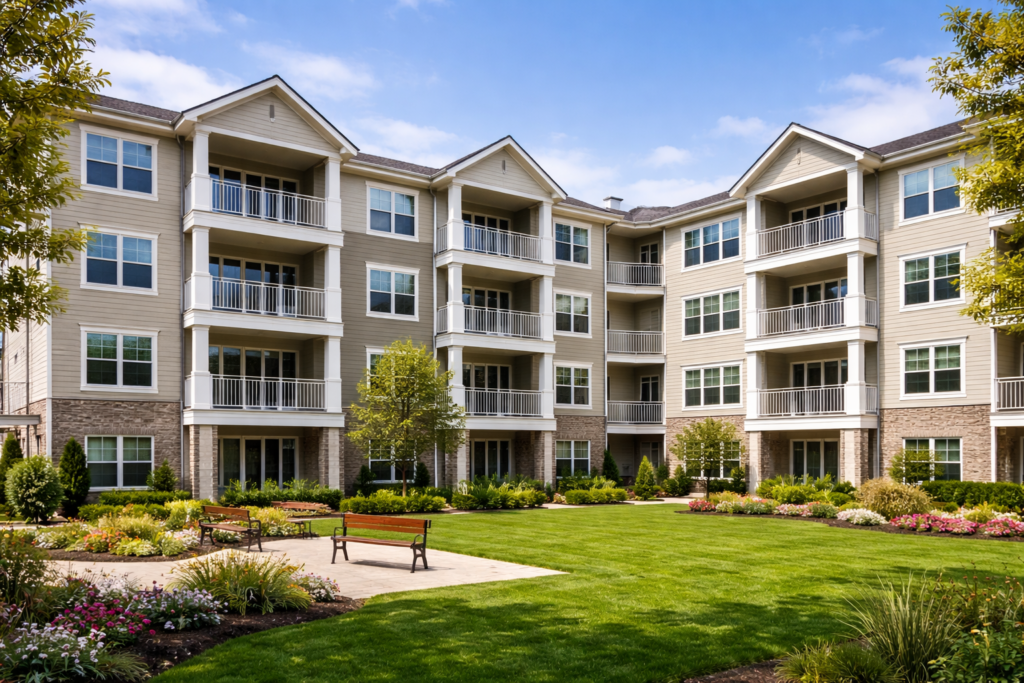
Apartments typically refer to residential buildings designed primarily for rental purposes. The entire building is usually owned by a company or a property owner, while residents typically rent individual units.
At first glance, apartments may look similar to condominiums. However, the main difference lies in ownership. In most cases, individual apartment units cannot be purchased, and residents typically live there as tenants rather than owners.
Single-Family Home

A single-family home is a house designed for one family. The homeowner typically owns both the building and the land on which it sits. This is considered one of the most traditional housing types in the United States.
Common characteristics include:
- Ownership of both the house and the land
- No shared walls with neighboring homes
- Often includes a yard or garden
- Greater privacy compared to other housing types
While single-family homes provide more privacy, the homeowner is usually responsible for maintenance. Roof repairs, exterior upkeep, and yard maintenance are typically managed directly by the owner.
Condominium (Condo)

A condominium, often called a condo, is a housing type that may look similar to an apartment building. The difference is that each individual unit can be owned separately.
However, shared spaces in the building are maintained collectively.
Examples of common areas include:
- Hallways
- Elevators
- Lobbies
- Swimming pools
- Fitness centers
These shared facilities are usually managed by a HOA. While condos can be convenient because exterior maintenance is handled by the association, homeowners typically pay monthly HOA fees.
Townhouse

A townhouse is a row-style home where multiple units are connected side by side. Each unit has its own entrance, but the homes typically share walls with neighboring units.
Common townhouse characteristics include:
- Shared walls with neighboring homes
- Multiple floors in many cases
- Some exterior maintenance handled by an HOA
- Lower maintenance responsibility compared to single-family homes
In many cities, townhouses are a common housing option because they allow for more efficient use of space compared to detached houses.
Multi-Family Home

A multi-family home is a residential building designed for two or more households. These properties can include several housing units within one structure.
Examples include:
- Duplex (two units)
- Triplex (three units)
- Small apartment-style buildings
Multi-family homes are often used as investment properties. For example, an owner may live in one unit while renting out the others.
What Is an HOA?
When looking at housing in the United States, you will often encounter the term HOA, which stands for Homeowners Association.
An HOA is an organization that manages certain residential communities. The homeowners within the community collectively support and fund the association.
Typical HOA responsibilities include:
- Maintaining shared facilities
- Managing community environments
- Enforcing building and appearance guidelines
- Maintaining common spaces
Examples of HOA-managed areas may include parks, swimming pools, and internal roads within a community.
Why Do HOA Fees Exist?
Homes located in HOA communities usually require regular HOA fees. These fees help maintain the shared infrastructure and services within the neighborhood.
HOA fees may be used for:
- Maintaining common areas
- Landscaping and outdoor maintenance
- Exterior building maintenance
- Operating shared community facilities
The amount of HOA fees can vary significantly depending on the property type. Condominiums often have higher HOA fees because building maintenance and shared facilities are included.
Why Do HOA Rules Exist?
HOAs also establish certain community rules to maintain neighborhood standards.
These may include regulations related to:
- Exterior home colors
- Yard maintenance standards
- Parking rules
- Pet policies
These rules are designed to maintain a consistent living environment and help protect long-term property values within the community.
Choosing the Right Housing Type

When buying a home in the United States, it is important to consider more than just the price or location. The type of property and its management structure can also significantly affect your living experience.
Single-family homes provide more independence but require more maintenance. Condominiums and townhouses often offer easier maintenance but may involve HOA rules and fees.
Understanding the different types of U.S. real estate can help you make a more informed decision when selecting the right home for your lifestyle.
👉 Explore more resources about buying a home in the United States